So let me take you back to 2019. I was sitting in a tiny room, running a small online store, wondering why nobody was visiting my website. I had a great product. I had decent photos. I even had a nice logo. But sales? Zero. Crickets. That is when I stumbled into the world of digital marketing and honestly, it changed everything for me.
If you are reading this right now, you are probably in a similar spot. Maybe you have a business, a blog, or a brand that you want to grow online. Maybe you keep hearing terms like SEO, PPC, and social media marketing and you have no idea where to start. Do not worry. I have been there. This guide is going to walk you through everything you need to know in plain, simple English.
What Is Digital Marketing and How Does It Work
Let us start from the very beginning because I remember being completely lost when I first heard this term.
In the simplest terms, digital marketing is the process of promoting your products, services, or brand using the internet and digital channels. Think of it like traditional marketing, like billboards, flyers, and newspaper ads, but moved entirely online where billions of people spend their time every single day.
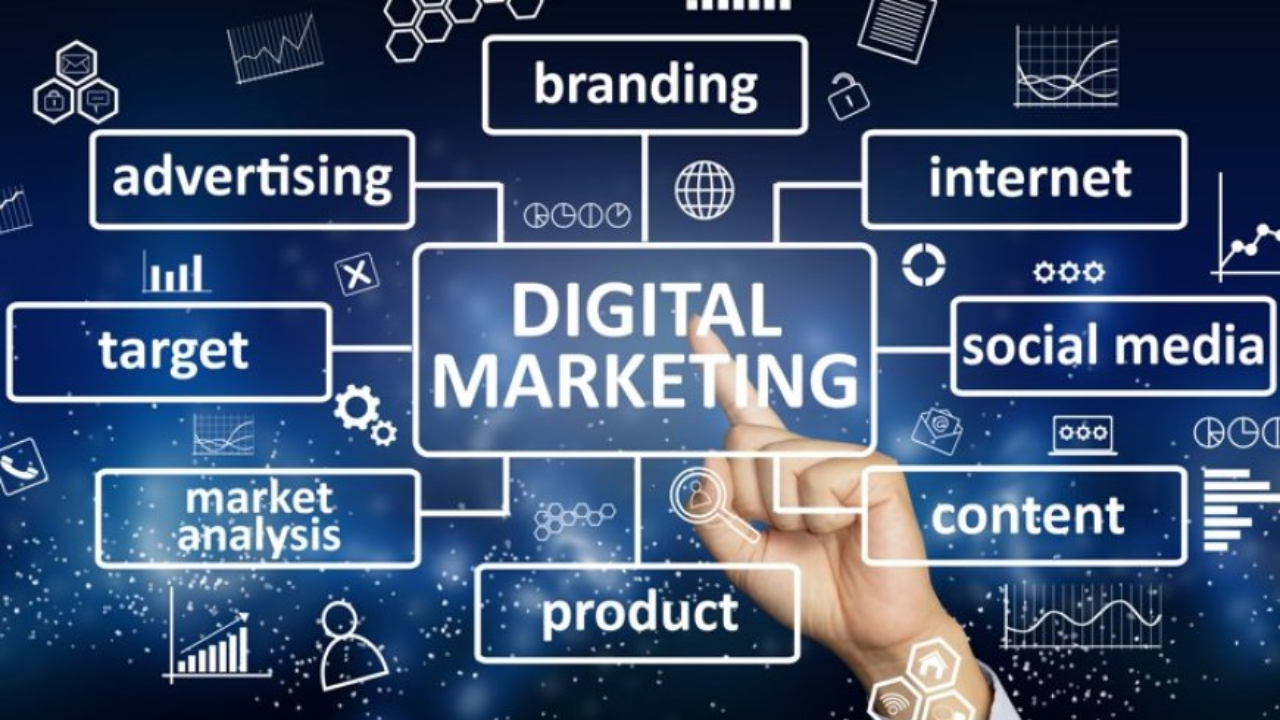
It covers everything from showing up on Google when someone searches for your product, to posting on Instagram, sending emails to your subscribers, and even running paid ads on Facebook. Every single thing you do online to attract, engage, and convert customers falls under digital marketing.
When I first discovered this, I remember thinking: “Wait, so all those YouTube ads I skip are actually a marketing strategy?” Yes. Exactly that.
The beauty of it is that unlike traditional marketing, digital marketing gives you data. Real, measurable numbers. You can see exactly how many people clicked your ad, how long they stayed on your website, and whether they actually bought something. That level of insight is something a newspaper ad could never give you.
Why Digital Marketing Matters More Than Ever in 2025
Here is a number that blew my mind when I first read it. There are over 5 billion internet users in the world right now. Five billion. That means more than half the planet is online, scrolling, searching, clicking, and buying.
If your business is not showing up in that space, you are essentially invisible to a massive chunk of potential customers.
The shift from offline to online has accelerated like crazy over the past few years. Small businesses that refused to adapt struggled. Those who embraced online advertising and content marketing strategy grew faster than ever. I watched this happen with my own eyes in my industry.
And now in 2025, with AI tools, smarter algorithms, and changing consumer behavior, digital marketing is not just an option anymore. It is survival.
Core Components of a Strong Digital Marketing Strategy
When I started building my digital marketing strategy, I made the mistake of trying to do everything at once. Social media, blogging, paid ads, email, YouTube. I burned out in three weeks and achieved nothing.
Here is what I learned: start with the foundations, master them, then expand.
Search Engine Optimization
SEO is the art of making your website show up on Google without paying for ads. When someone types “best running shoes under 50 dollars” into Google, you want your page to be one of the first results they see.
This involves using the right keywords, creating high quality content, building backlinks, and making sure your website loads fast and works well on mobile. It takes time, usually three to six months before you see real results, but the payoff is enormous. Free, consistent traffic that keeps coming even while you sleep.
I remember the first time one of my articles ranked on page one. I literally did a little dance in my kitchen. True story.
Content Marketing Strategy
Content is the engine that drives everything else. Blog posts, videos, podcasts, infographics, social media posts. All of it is content. And good content does one thing above all else: it provides value to the reader.
Think about it this way. Imagine you are looking for advice on how to fix a leaky faucet. You search Google, click on an article, and within two minutes you have a clear, step by step guide with photos. You are going to trust that website. You might even bookmark it. That is content marketing working exactly as it should.
For my own brand, I started writing detailed how to articles answering questions my customers were already asking. Over time, those articles brought in thousands of visitors every month without spending a single dollar on ads.
Social Media Marketing
Social media is where conversations happen. Facebook, Instagram, TikTok, LinkedIn, X (formerly Twitter). Each platform has its own culture and audience.
The mistake most beginners make is trying to be everywhere at once. Pick one or two platforms where your ideal audience actually hangs out, and focus your energy there. A bakery in a small town might get incredible results on Facebook and Instagram. A B2B software company might find LinkedIn far more valuable.
Consistency matters more than perfection here. Showing up regularly, engaging with comments, and posting content that connects with your audience will build brand awareness online over time.
Email Marketing Campaigns
I know what you might be thinking. Email feels old school, right? But here is the thing. Email marketing consistently delivers one of the highest returns on investment of any digital channel. Some studies suggest that for every dollar spent on email, businesses earn back around 36 dollars.
Your email list is an asset that you own. Social media platforms can change their algorithms overnight and suddenly nobody sees your posts. But your email list? That belongs to you.
Building that list starts with offering something valuable in exchange for an email address. A free guide, a discount code, a checklist. Something that makes people think: yes, that is worth my inbox.
Pay Per Click Advertising
PPC, or pay per click advertising, is exactly what it sounds like. You pay a small fee every time someone clicks your ad. Google Ads and Facebook Ads are the two biggest platforms for this.
The advantage of PPC is speed. While SEO takes months, a well set up ad campaign can start driving website traffic generation within hours. The downside is that it costs money, and if you do not know what you are doing, you can burn through your budget very quickly with nothing to show for it.
I made that mistake early on. Spent 200 dollars on Facebook ads in one weekend with zero conversions. Painful lesson. The key is targeting the right audience, writing compelling ad copy, and sending people to a landing page specifically designed to convert.
How to Measure Digital Marketing Success
One of the things I love most about online advertising is the data. You are never guessing. Every action has a measurable outcome.
Here are the key metrics you should be tracking regularly:
Website traffic tells you how many people are visiting your site and where they are coming from. Bounce rate shows how many people leave immediately without clicking anything. Conversion rate measures what percentage of visitors actually take the action you want, whether that is making a purchase, signing up for a newsletter, or filling out a contact form. Return on investment compares how much you spent on marketing versus how much revenue it generated.
Tools like Google Analytics, Google Search Console, and Meta Business Suite give you all of this data for free. Spend time learning how to read these numbers. They will tell you exactly what is working and what needs to change.
Digital Marketing News Today: Trends You Cannot Ignore
The world of digital marketing news moves fast. What worked two years ago might already be outdated. Staying current is part of the job.
Right now, some of the biggest trends shaping the industry include the rise of AI generated content tools, the continued dominance of short form video through platforms like TikTok and Instagram Reels, and the growing importance of voice search optimization as more people use smart speakers and voice assistants.
Checking in with digital marketing news sources regularly keeps you ahead of competitors who are still doing things the old way. I personally set aside 20 minutes every morning to read industry updates. It has become a habit that has paid off more times than I can count.
Influencer marketing is also evolving. Brands are moving away from mega influencers with millions of followers and toward micro influencers with smaller but far more engaged and loyal audiences. The trust factor with micro influencers is much higher, and the costs are significantly lower.
FAQ: Answering the Questions People Actually Ask
How to grow a business online without a big budget?
Start with SEO and content marketing. Both are essentially free in terms of direct cost. Create content that answers your customers real questions, optimize your website for search engines, and be consistent. Growth will come, just give it time.
What tools do digital marketers use daily?
Some of the most popular tools include Google Analytics for tracking traffic, SEMrush or Ahrefs for keyword research, Mailchimp or ConvertKit for email marketing campaigns, Canva for creating graphics, and Hootsuite or Buffer for scheduling social media posts.
How to generate leads through digital channels?
Offer something valuable for free, like an ebook, webinar, or free consultation, and use it to capture email addresses. Then nurture those leads through email sequences that build trust and guide them toward a purchase.
Which social media platform is best for marketing?
It depends entirely on your audience. Younger audiences tend to favor TikTok and Instagram. Professionals are active on LinkedIn. Broad consumer audiences are still very much present on Facebook. Research where your specific customers spend time and focus there.
How long does it take to see results from digital marketing?
SEO typically takes three to six months. Paid ads can show results within days. Email marketing builds gradually. Social media growth varies. The important thing is to stay consistent and keep optimizing based on your data.
Final Thoughts
Looking back at that version of me in 2019, sitting in a small room wondering why no one was visiting my website, I wish I had a guide like this one. The path from invisible to visible online is not mysterious or complicated. It just requires understanding the basics, picking the right strategies for your goals, and showing up consistently.
Digital marketing is not a magic wand. It takes work, patience, and a willingness to learn from your mistakes. But the results, the website traffic, the leads, the sales, the brand awareness, they are absolutely real and absolutely achievable.
Start small. Pick one channel. Master it. Then grow.
You have got this.